Refugees support services
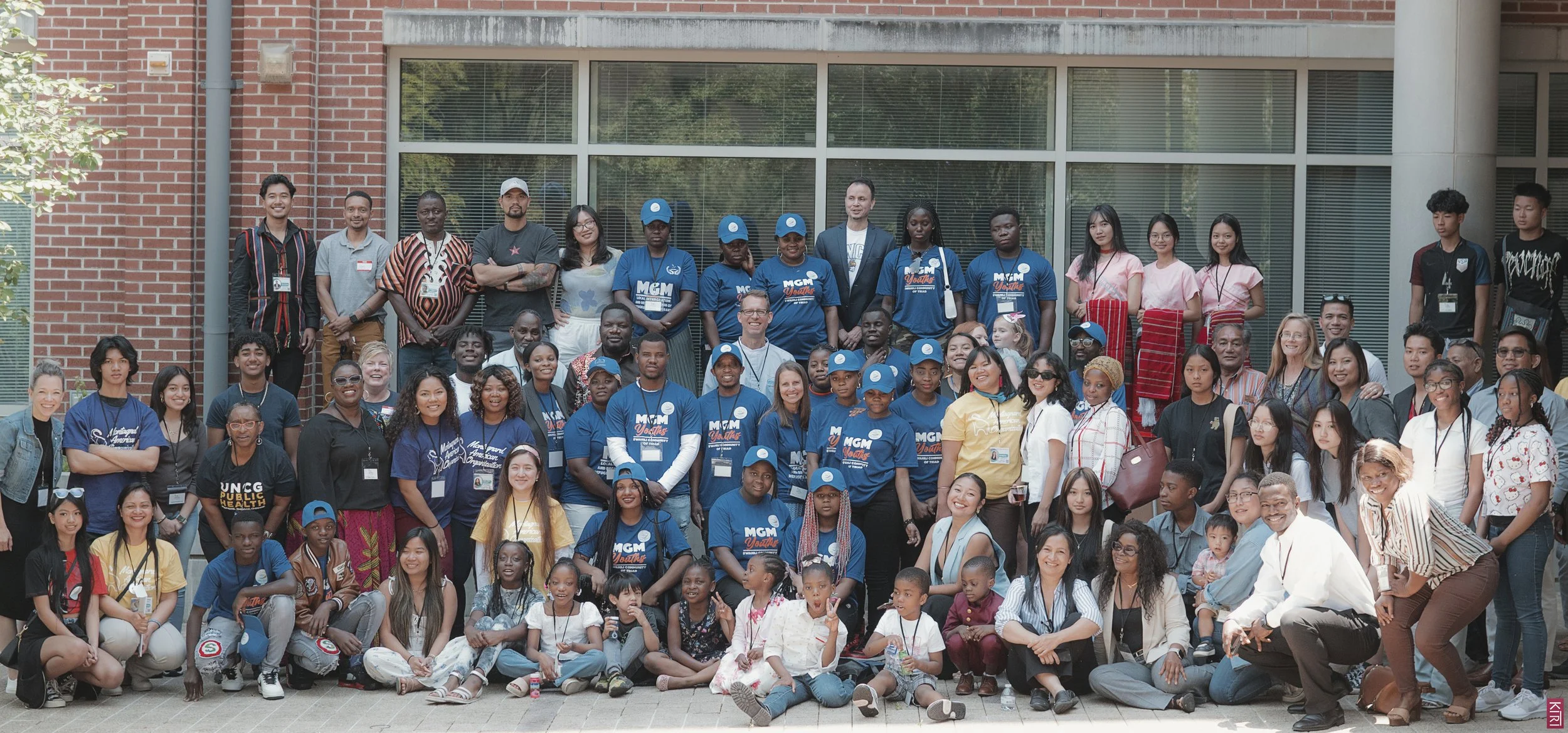
Refugee Services Programs (RSP) provide transitional assistance to help refugees become economically self-sufficient and integrated members of their communities. Services include:
Employment services, Case management, Transportation, Skills recertification, English language training, Vocational skills training, citizenship and immigration services, Translation, and interpretation services. Social adjustment services
Through our Refugee Support Service, we’ve incorporated community wellness activities for parents while students are learning digital literacy. Explore a curated collection of our past work, where imagination meets strategy. Each project reflects our drive to deliver thoughtful, effective, and engaging solutions.
In addition to services to be provided to the refugee population, Refugee Support Services Priority Areas (see NCDHHS Refugee Services manual)
A. English Language Training and Language Access
English Language Training (ELT) is important and effective for achieving community integration as well as achieving self-sufficiency. This Priority Area will include programs that are aimed at direct delivery of ELT, as well as ongoing support for building capacity and facilitating access to robust and sufficient opportunities for English learning.
Furthermore, this Priority Area includes efforts to improve Language Access. Organizations can undertake efforts to build the capacity and inform policies of organizations to more effectively provide linguistically appropriate access. The funding could also be utilized to develop and share resources and information to help expand and improve language assistance services for individuals with limited English proficiency.
B. Community Capacity Building
This is critical to achieving sustainable self-sufficiency as well as long-term integration. Efforts must be undertaken to support new arrivals’ ability to navigate the systems of the society in which they live. Agencies should provide pathways to build connections with the wider community as well as grow their abilities to directly provide services. Refugee voices should be empowered to play an active role in those processes. could be done through identifying and responding to the diverse needs of refugees and deciding what activities to plan that will best benefit the communities they serve. The priority areas are broken down into three parts:
· Civics and Citizenship
Working with members of ORR eligible populations, to continue to grow refugees’ understanding of their new homes through continued opportunities at cultural orientation, community events, and mapping. In addition, many local governments offer supportive opportunities, such as Citizenship Academies, that could greatly benefit newly arrived members of the community. Through efforts in this area, organizations should support the clients to be more informed, engaged, comfortable, and confident in their new home. This is a critical step towards self-sufficiency and long-term integration. Building non-crisis relationships with dedicated partners who can provide service to the newly resettled families as they work to build their new lives here in NC.
· Bridge Building, Community Connections, and Family Mentoring
The engagement with the community, beyond the process and policies, is critical to successful resettlement. With that in mind, it is encouraged that RSS funding could be used to create systems/ opportunities for connecting newly arrived families with vetted community mentors. These connections would provide an opportunity to establish deeper and broader relationships within the community and would contribute to long-term integration efforts as well as one’s ability to achieve self-sufficiency. Building non-crisis relationships with dedicated partners who can provide service to the newly resettled families as they work to build their new lives here in NC. Furthermore, this Priority Area would represent a clear opportunity for organizations to engage and support private sponsors who are part of some of the new alternative resettlement pathways.
· Community Capacity/ Leadership Support
Funding in this Priority Area would be focused on assisting ORR-eligible individuals to access support and training to become leaders within their community. It could also assist them in becoming more effectively engaged in the communities they live in and thus more successful in their workplace. It would be expected that these efforts would contribute directly to long-term integration, as well as aid in supporting individuals’ professional pursuits. It is anticipated that one outcome of these training and support opportunities would be the ability to access a broader range of employment opportunities.
Included within this Priority Area would be funding to help support the development of ethnic community-based organizations (ECBO). It is believed that facilitating greater access to capacity building, including helping the ECBOs assess needs, gaps, core competencies, performance, and impact, as well as reviewing best practices and developing implementation strategies, would create a more vibrant and robust set of engaged and capable community leaders. These organizations are particularly skilled in identifying and responding to the diverse needs of refugees and have a unique insight into deciding what activities to plan that will best benefit the communities they serve. The greater community also benefits by learning about the culture, strengths, and needs of the local refugee population the organization is serving.
C. Advanced Career Support
The SRO will provide funding to enable providers to support refugees in pursuing self-sufficiency by obtaining the means to secure professional or skilled employment drawing upon previously acquired knowledge, skills, and experience. Assist refugees in learning about career pathways and developing individualized plans to gain employment and advance within their chosen career field. Funding may also provide refugee participants with financial assistance for costs related to the establishment or re-establishment of credentials, such as obtaining educational credits or enrollment in required certification programs. Grantees are required to collaborate with professional associations, universities, and others with expertise in this area to facilitate career opportunities in ways that supplement, rather than supplant, existing services. NOTE: Funds may not be used for long-term training programs such as vocational training that last for more than a year or educational programs that are not intended to lead to employment within a year.
D. Family Sustainable Self-Sufficiency Programs
This Priority Area is aimed at supporting holistic approaches to address the needs of families striving to achieve employment, as well as ensuring that there is a holistic case management approach that addresses the wide range of support needs a family may need. Funding can be used to strengthen program oversight and ensure that refugees accessing services are advancing on their path to self-sufficiency and longer-term integration, provide a better indication of refugee successes and challenges, and support more informed resource mapping and referral to services. This could include, but is not limited to, ORR-funded programs, other state and federally funded programs, and community programs. The holistic approach will intentionally and meaningfully engage with each individual member of the family in the household, including children and/or any other member of the family, in the household to facilitate economic self-sufficiency, family stability, and community integration for the household. The funded programs should identify needed services and seek to reduce barriers to accessing these services.
A broad range of support services could aid families in maintaining a stable environment, which facilitates self-sufficiency, educational pursuits, and community integration. Funding can be used to help support efforts to ensure a strong, stable housing and home life. Quality, stable housing is a foundation for self-sufficiency. A lack of available and affordable housing can create additional barriers to helping refugee populations find and retain employment, achieve self-sufficiency, and fully integrate into their new communities. Housing instability can also create additional barriers to the educational success and development of children. Funding can be used to facilitate stability in housing in critical situations.
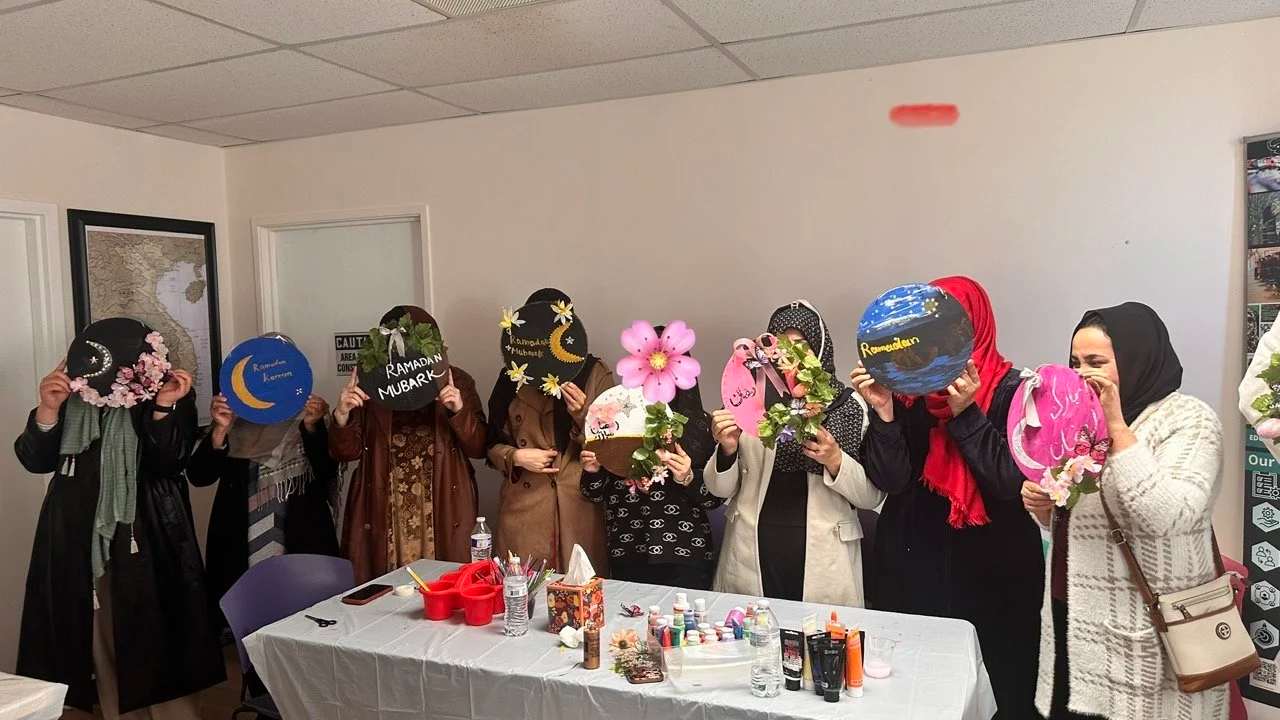
Refugee Women’s Wellness Class
Afghan women and their friends can focus on their physical health, mental well-being, and community connection. With MANC support, these wellness classes provide meaningful opportunities for women to stay active, learn healthy habits, and build strong relationships within the community.
Instructor: Naila
Afghan Youth Language Class
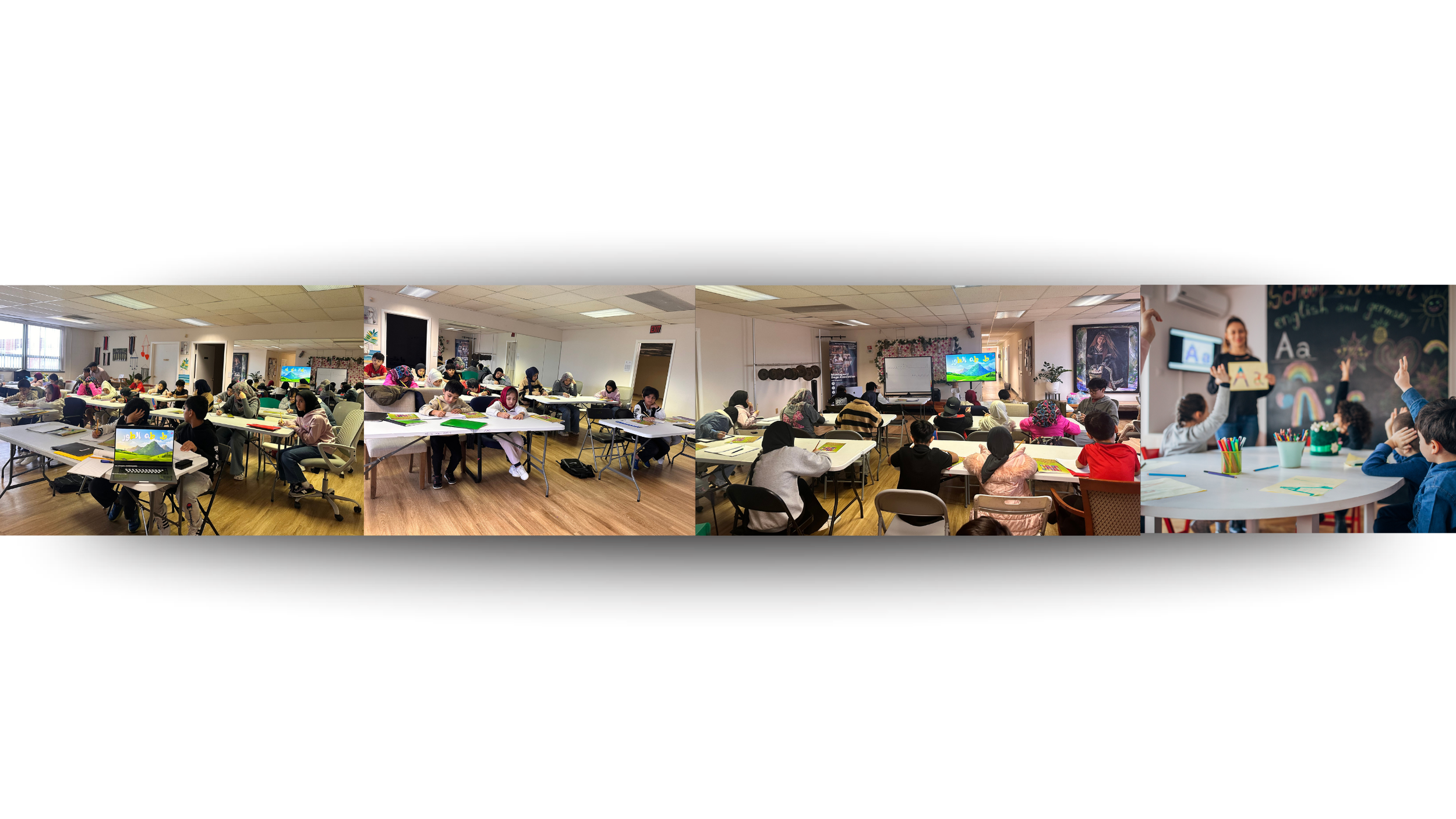
This class is designed to support Afghan youth through foundational language education. This class focuses on beginning alphabet recognition and early language development, helping children and teenagers build essential literacy skills while strengthening their connection to their native language. Through guided instruction and consistent practice, participants develop confidence in reading, writing, and communication, fostering cultural pride and lifelong learning in a supportive environment.
Instructors: Shahpeerai & Noori
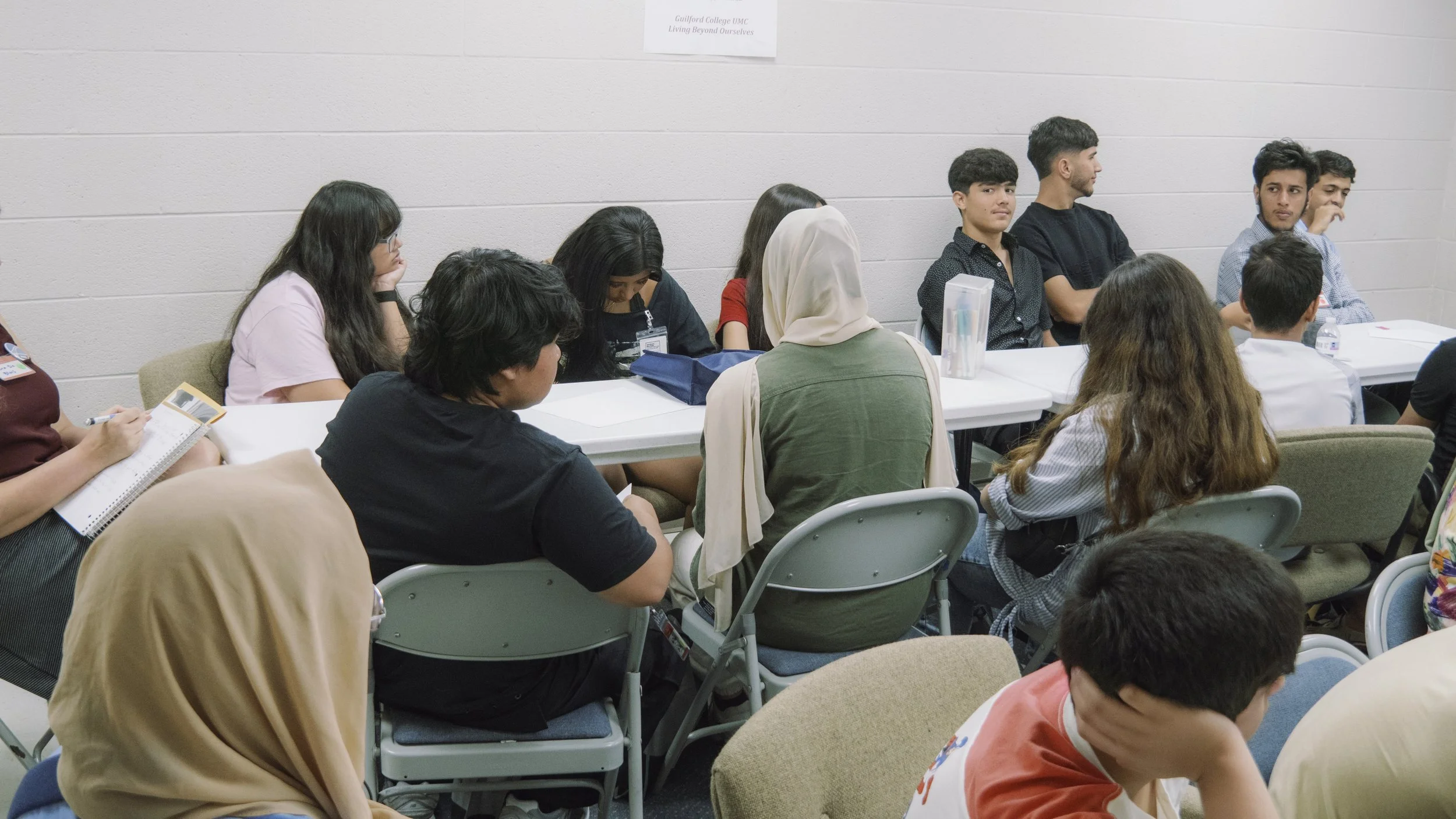
Afghan Youth Digital Literacy Class
This class is to empower Afghan youth through digital literacy and entrepreneurship education. This program introduces young learners to practical technology skills that support everyday problem-solving, family business involvement, and early entrepreneurial thinking. By building digital confidence and real-world skills, participants are better prepared to contribute to their households, pursue future opportunities, and engage productively in today’s technology-driven world.
Instructor: Noori